GreenLife Cookware Care & Use Guide
Master the art of ceramic cookware care. Learn the golden rules, troubleshooting tips, and expert techniques to keep your GreenLife pans performing like new for years.
The 3 Golden Rules of Ceramic Cookware
Follow these three simple laws and your GreenLife pans will last for years
Rule #1: Low to Medium Heat
Ceramic coatings conduct heat exceptionally well. You never need high heat—even for searing.
Why it matters:
High heat can cause carbonization (burnt oil buildup) on the ceramic surface, leading to sticking and reduced non-stick performance.
Rule #2: No Cooking Spray
Aerosol cooking sprays (PAM, etc.) contain additives that carbonize and create a sticky residue on ceramic.
Use instead:
A small amount of butter, olive oil, avocado oil, or coconut oil applied with a paper towel or silicone brush.
Rule #3: No Metal Utensils
While Thermolon is durable, metal tools can scratch the surface and reduce longevity.
Use instead:
Silicone, wood, bamboo, or nylon utensils that are gentle on the coating.
Visual Do's and Don'ts
DO This
- ✓Preheat on low to medium heat for 2-3 minutes
- ✓Use a small amount of butter or oil
- ✓Hand wash with soft sponge and mild soap
- ✓Let pan cool before washing
- ✓Use silicone, wood, or nylon utensils
DON'T Do This
- ✗Use high heat or maximum burner settings
- ✗Use aerosol cooking sprays (PAM, etc.)
- ✗Use metal spatulas, forks, or knives
- ✗Plunge hot pan into cold water (thermal shock)
- ✗Use abrasive scrubbers or steel wool
Before First Use: Seasoning Your Pan
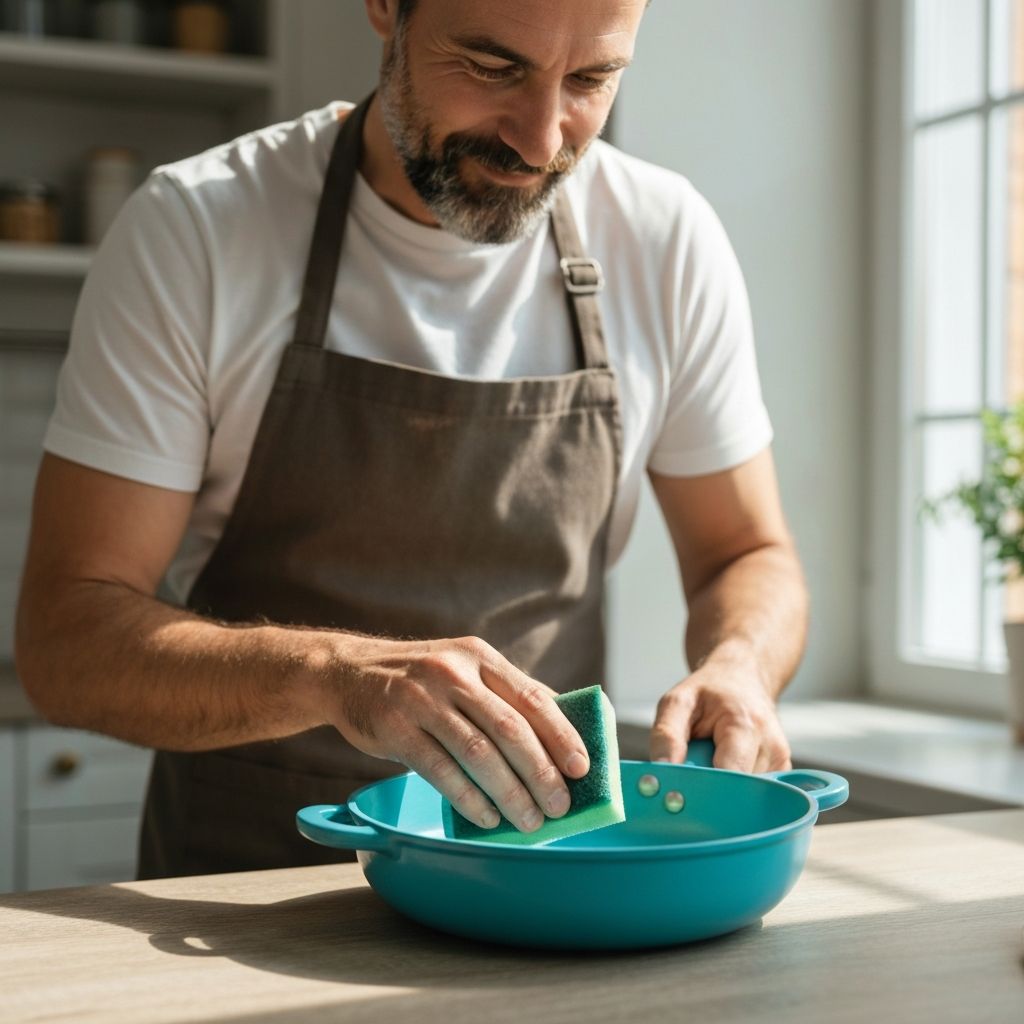
Wash Thoroughly
Remove any manufacturing residue by washing with warm soapy water and a soft sponge. Rinse and dry completely.
Season the Surface
Rub a thin layer of cooking oil (vegetable, canola, or coconut oil) over the entire cooking surface using a paper towel.
Heat Gently
Place on low heat for 2 minutes, then wipe away excess oil. Your pan is now ready to use!
Pro Tip: Repeat this seasoning process every few months to maintain optimal non-stick performance.
Daily Cooking Best Practices
Proper Preheating
Place your GreenLife pan on the burner and set heat to low or medium-low. Wait 2-3 minutes before adding food. Test readiness by sprinkling a few drops of water—they should sizzle gently.
Temperature Guide:
- Gas Stoves: Set burner to 3-4 out of 10
- Electric Stoves: Set to medium or medium-low
- Induction: Level 3-5 (Induction models only)
Oil Application
While GreenLife's ceramic coating is naturally non-stick, a small amount of fat improves flavor and browning. Add oil after preheating, not before.
Best Fats to Use:
- ✓ Butter or ghee
- ✓ Olive oil or avocado oil
- ✓ Coconut oil
- ✗ Never aerosol cooking sprays
Can I Put GreenLife in the Dishwasher?
Yes, GreenLife cookware is dishwasher safe, but hand washing is strongly recommended to extend the life of the non-stick coating. Dishwasher detergents are harsh and can gradually diminish the ceramic surface's performance.
Hand Washing (Recommended):
- • Let pan cool completely
- • Use warm water, mild dish soap, and soft sponge
- • Dry thoroughly with soft towel
- • Takes less than 1 minute
Dishwasher (If Needed):
- • Place on top rack only
- • Use gentle cycle if available
- • Avoid overcrowding to prevent scratching
- • Re-season pan after dishwashing
Help! My GreenLife Pan is Sticking
The #1 most common issue—and how to fix it permanently
Understanding the Problem
When food starts sticking to your GreenLife pan, it's almost always due to carbonized oil buildup—a thin, invisible layer of burnt oil that forms when cooking oils are exposed to high heat or when cooking sprays are used. This carbon layer sits on top of the ceramic coating and prevents the non-stick surface from working properly.
The good news: This is 100% reversible. Your pan isn't damaged—it just needs a deep clean.
Step-by-Step Deep Cleaning Method
The Baking Soda Boil Method
Fill the pan with water until it covers the stained areas. Add 2 tablespoons of baking soda. Place on the stove and bring to a gentle boil for 5-10 minutes.
Why this works: The alkaline baking soda solution helps break down and lift carbonized oil from the ceramic surface.
Let It Cool and Soak
Turn off the heat and let the pan cool naturally. Once lukewarm, let it soak for another 15-20 minutes. The longer the better for stubborn buildup.
Scrub Gently
Using a non-abrasive sponge or soft-bristle brush, gently scrub the surface in circular motions. The carbon layer should lift off easily. For stubborn spots, make a paste of baking soda and water and apply directly.
Important: Never use steel wool, harsh abrasive pads, or scouring powder—these will damage the ceramic coating permanently.
Rinse, Dry, and Re-Season
Rinse thoroughly with warm water, dry completely with a soft towel, then re-season the pan by rubbing a thin layer of oil across the surface and heating gently for 2 minutes.
Success! Your pan should now feel smooth to the touch and perform like new.
Alternative Cleaning Methods
White Vinegar Method
Mix equal parts water and white vinegar in the pan. Bring to a simmer for 5 minutes, let cool, then wash normally.
Best for: Light to moderate buildup and mineral deposits.
Bar Keeper's Friend
For extremely stubborn stains, make a paste with Bar Keeper's Friend and water. Apply gently with a soft cloth, let sit 1 minute, then rinse thoroughly.
Best for: Severe discoloration and burnt-on food.
Other Common Issues & Solutions
Problem: Food browns unevenly
Solution: Your burner may be too small or too large for the pan. The flame/heating element should match the pan bottom size. Also ensure adequate preheating time.
Problem: Pan wobbles on stovetop
Solution: This indicates warping from thermal shock (rapid temperature changes). Avoid plunging hot pans into cold water. While warped pans are safe to use, they heat unevenly.
Problem: White residue or spots after washing
Solution: This is mineral deposit from hard water. Remove by boiling a 1:3 mixture of white vinegar to water for 5 minutes, then wash normally.
Problem: Handles feel hot during cooking
Solution: Soft Grip handles are designed to stay cool, but extreme prolonged heat can warm them. Use lower heat settings and always use a potholder when unsure.
Daily Cleaning & Maintenance
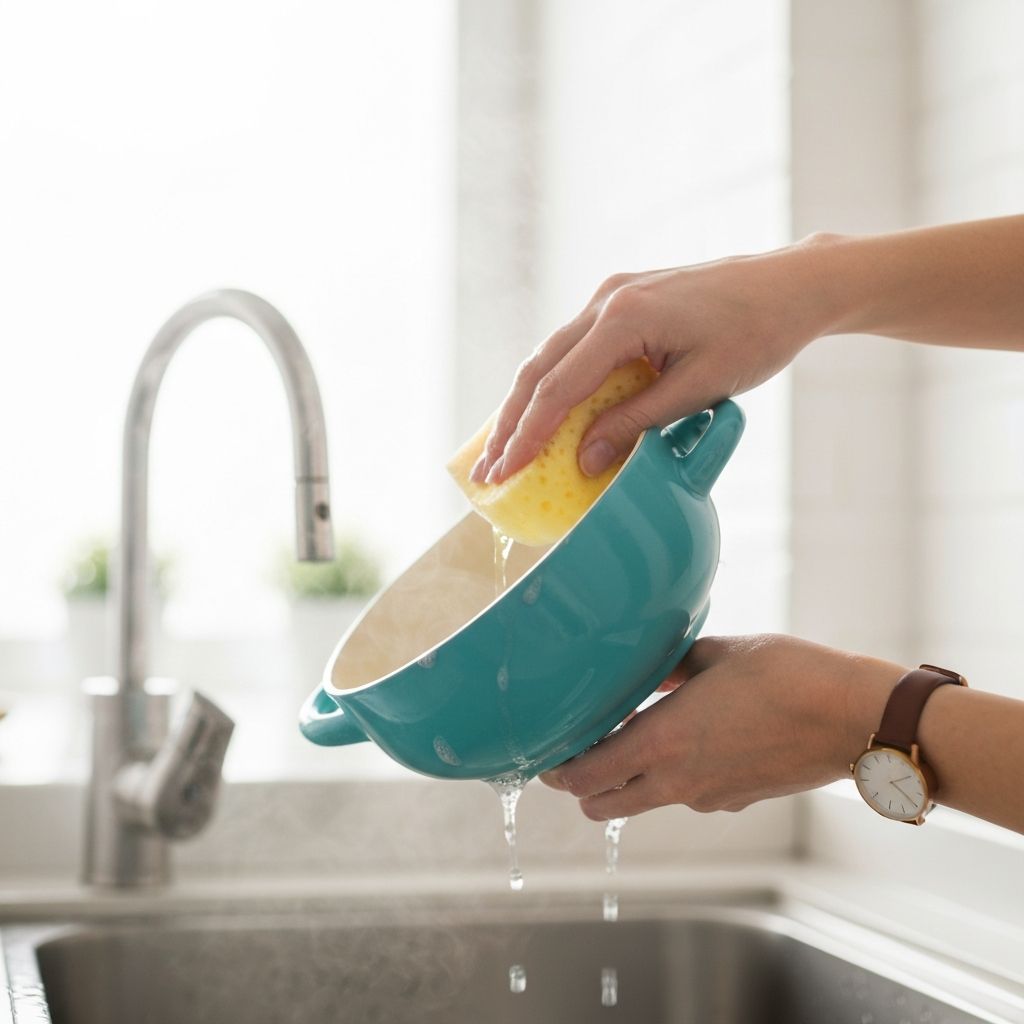
The Perfect Clean (Takes 60 Seconds)
- 1.Let the pan cool completely (never wash while hot)
- 2.Rinse with warm water to remove loose food particles
- 3.Apply a small amount of mild dish soap to a soft sponge
- 4.Wash in gentle circular motions—no scrubbing needed
- 5.Rinse thoroughly and dry with a soft towel
✓ Safe Cleaning Tools
- Soft sponges (non-scratch side)
- Microfiber cloths
- Soft-bristle brushes
- Dish soap (Dawn, Seventh Generation, etc.)
- Baking soda paste for stubborn spots
✗ Avoid These
- Steel wool or metal scrubbers
- Abrasive cleaners (Ajax, Comet)
- Oven cleaner
- Bleach or chlorine products
- Dishwasher (unless absolutely necessary)
Quick Maintenance Schedule
- After every use: Hand wash and dry
- Weekly: Check for carbon buildup (surface should feel smooth)
- Monthly: Re-season the cooking surface
- As needed: Deep clean if food starts sticking
Proper Storage to Prevent Damage
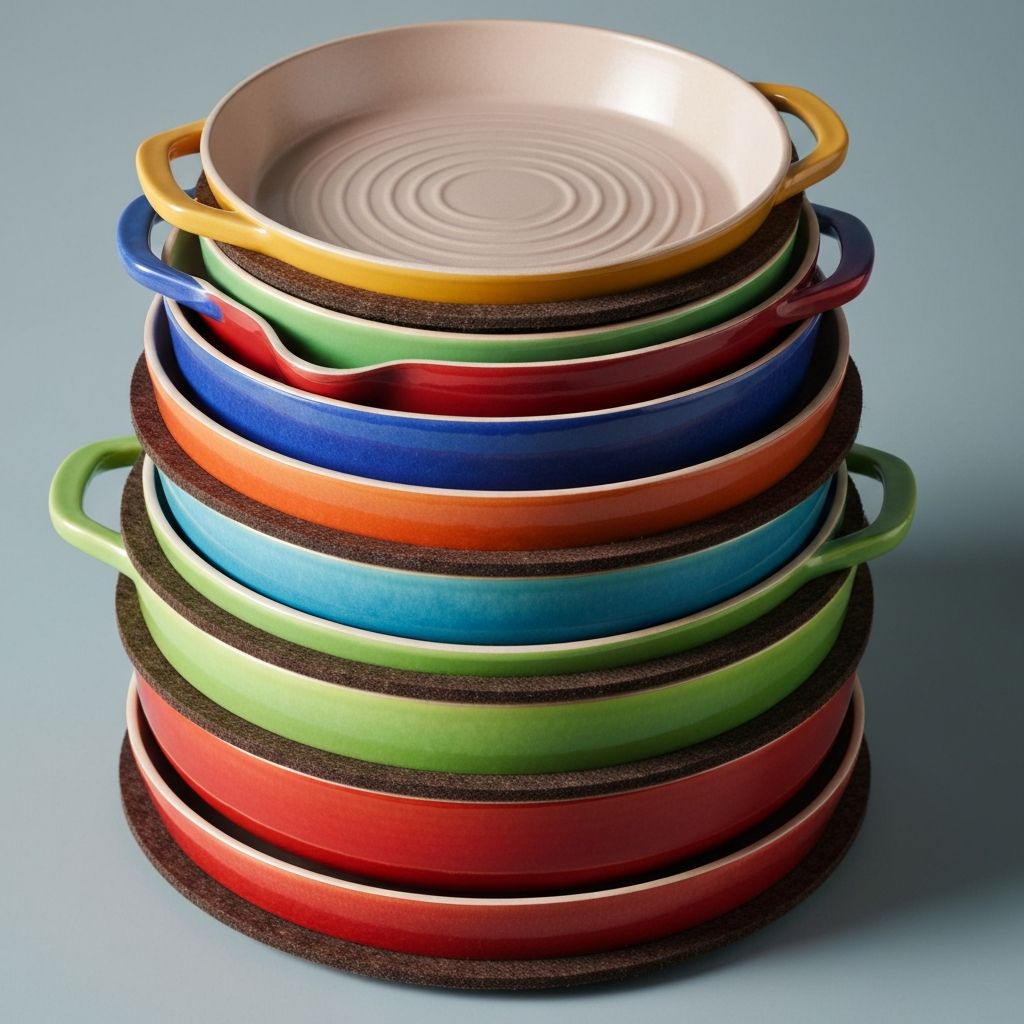
Use Pan Protectors
The ceramic coating on GreenLife cookware is durable, but it can chip or scratch if pans are stacked directly on top of each other. Pan protectors—soft felt or silicone pads—create a protective barrier.
Storage Best Practices:
- Place pan protectors between each stacked pan
- Hang pans on a pot rack if cabinet space is limited
- Store lids separately or use lid organizers
- Ensure pans are completely dry before storing
- Avoid overcrowding cabinets to prevent accidental damage
DIY Pan Protectors
Don't have pan protectors? You can easily make your own or use household items as alternatives:
- Paper Towels
Fold several sheets to create a cushion between pans
- Dish Towels
Soft kitchen towels work great as temporary protectors
- Coffee Filters
Large coffee filters fit perfectly in smaller pans
Oven Safety Temperature Guide
All GreenLife cookware is oven-safe, but the maximum temperature varies by collection due to different handle materials. Always check your specific collection's rating.
| Collection | Handle Material | Max Oven Temp | Glass Lid Temp |
|---|---|---|---|
| Soft Grip | Bakelite | 350°F (177°C) | 350°F |
| Dream | Riveted Bakelite | 390°F (199°C) | 390°F |
| Artisan | Stainless Steel | 600°F (315°C) | 425°F |
| Classic Pro | Stainless Steel | 600°F (315°C) | 425°F |
Important Oven Safety Tips
- • Always use oven mitts—handles will be HOT after oven use
- • Remove glass lids before placing in very hot ovens
- • Avoid sudden temperature changes (oven to freezer)
- • Never use under a broiler (concentrated top heat)
Great Oven Recipes to Try
- • Frittatas (start on stovetop, finish in oven)
- • Pan-roasted chicken thighs with vegetables
- • Shakshuka (baked eggs in tomato sauce)
- • Dutch baby pancakes
Frequently Asked Questions
How long do GreenLife pans last?
With proper care (low heat, no spray, no metal utensils), GreenLife pans typically last 3-5 years of regular use. Following the golden rules and performing regular maintenance can extend this even further.
Can I use GreenLife on a glass cooktop?
Yes! All GreenLife cookware is safe for glass and ceramic cooktops. The smooth bottom won't scratch the surface. Just avoid dragging pans—always lift when moving.
Is the ceramic coating safe if scratched?
Yes. Unlike traditional non-stick coatings, Thermolon ceramic is made from natural materials (sand-derived) and contains no PFAS, PFOA, lead, or cadmium. Even if scratched, it will not release harmful chemicals.
Why does my pan have rainbow/blue discoloration?
This is called "heat tinting" and occurs when the pan is exposed to high heat. It's purely cosmetic and doesn't affect performance or safety. It cannot be removed but won't worsen if you use proper heat levels going forward.
Can I cook acidic foods (tomatoes, vinegar) in GreenLife pans?
Ceramic coatings are non-reactive, meaning they won't interact with acidic foods. Cook tomato sauces, citrus dishes, and vinegar-based recipes without worry.
Do I need to season GreenLife pans like cast iron?
No heavy seasoning required! A light coating of oil before first use and occasional re-seasoning (every few months) is all you need to maintain the non-stick surface.
Ready to Experience Healthy Cooking?
Now that you know how to care for your GreenLife cookware, explore our complete collection of ceramic non-stick pans designed for healthier, easier cooking.